
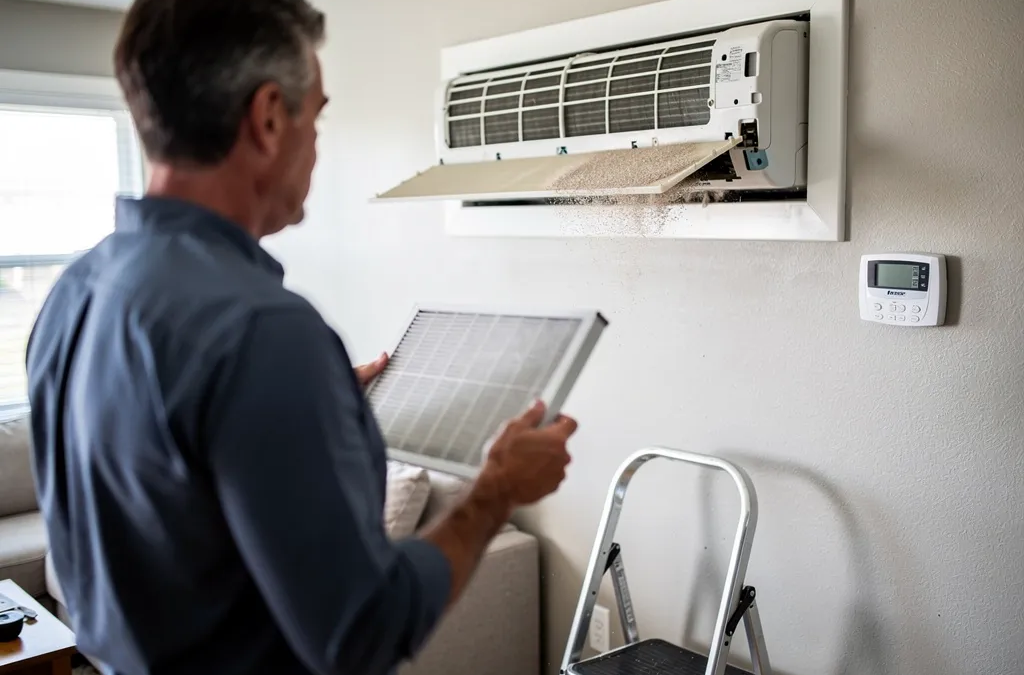
Weakened airflow, warm air from vents, strange noises, and rising energy bills top the list of ten warning signs Powell Heating & Cooling identifies for inefficient air conditioning. Frequent cycling, unusual humidity indoors, and lingering odors also signal trouble. Ignoring these symptoms in Tippecanoe County summers turns minor repairs into costly breakdowns, making early professional inspection essential for homeowners.
What Are the Signs That My AC Is Not Functioning Efficiently Anymore?
An air conditioner rarely fails without warning. Most systems show clear signs of inefficiency long before a complete breakdown occurs. Recognizing these indicators early prevents costly emergency repairs and keeps energy bills under control.
Warm Air From Vents
Warm or lukewarm air flowing from supply vents while the AC runs signals a serious problem. Common causes include low refrigerant levels, a failing compressor, incorrect thermostat settings, or restricted airflow from dirty filters or blocked ducts. Any of these issues forces the system to run longer without delivering proper cooling.
Rising Energy Bills
Energy costs that climb steadily without a corresponding increase in usage indicate the AC is working harder than necessary. A struggling unit consumes more electricity to achieve the same indoor temperature. Homeowners in Tippecanoe County who notice month-over-month bill increases should investigate the system promptly.
Strange Sounds or Odors
Unusual noises or smells coming from the AC unit point to internal mechanical problems. Grinding, squealing, or rattling sounds often indicate worn bearings, loose components, or compressor trouble. Musty or burning odors suggest mold growth inside the ductwork or electrical overheating. These signs require professional attention before minor issues escalate into major failures.
What should homeowners do when these signs appear?
Powell Heating & Cooling provides 24/7 emergency services and same-day estimates for AC repair across Greater Lafayette. Their experienced team diagnoses the root cause of inefficiency and recommends the appropriate solution. Acting on early warning signs prevents a total system breakdown and extends the equipment’s service life.
Check the air filter and replace it if dirty
Verify the thermostat is set to cooling mode
Clear debris from around the outdoor condenser unit
Schedule a professional inspection if problems persist
Is Your AC Blowing Warm Air or Not Cooling?
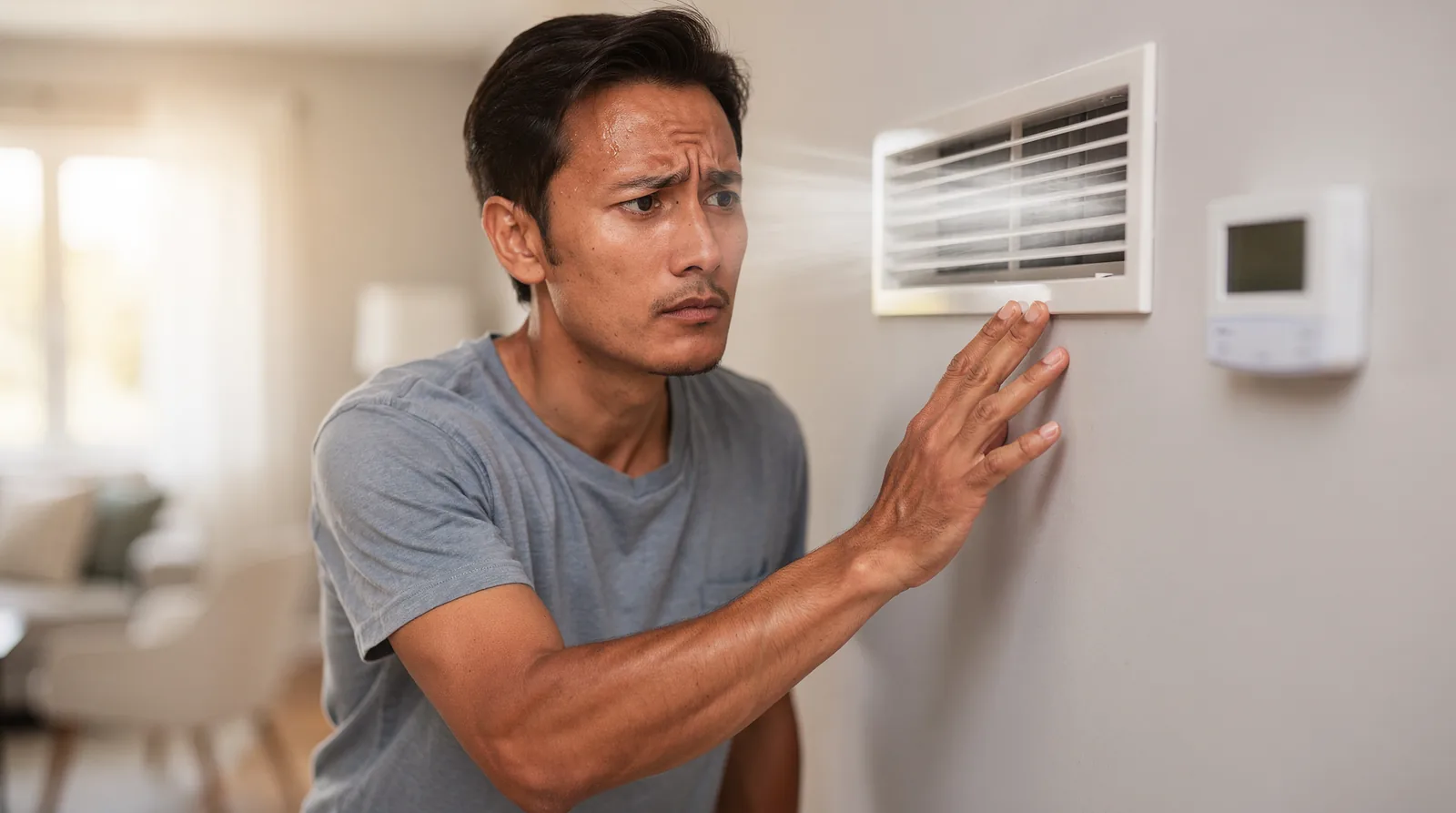
Warm air from vents ranks as a top sign of air conditioning trouble, with causes ranging from low refrigerant to a bad compressor or thermostat issues. When a Greater Lafayette homeowner places a hand over a vent. Feels lukewarm air while the system runs, something is clearly off. Restricted airflow also contributes to this problem, making the unit work harder without delivering cool results.
What Should Homeowners Check First When AC Blows Warm Air?
The air filter deserves immediate attention. A dirty or clogged filter restricts airflow and directly causes cooling problems. Replacing that filter costs little and often resolves the issue without professional help. If warm air persists after a fresh filter, the problem likely involves refrigerant levels or compressor function.
Powell Heating & Cooling recommends following these steps when vents push warm air:
Check the air filter — replace it if dirty or clogged, as restricted airflow prevents proper cooling.
Inspect the thermostat settings — confirm the system runs in cool mode and the set temperature sits below room temperature.
Listen for unusual sounds — clicking, hissing, or grinding noises point to compressor or refrigerant trouble.
Feel for weak airflow — reduced air movement alongside warm air signals duct blockages or a failing blower motor.
When Does Warm Air Require Professional AC Repair?
Low refrigerant or a failing compressor demands expert diagnosis and service. These components require specialized tools and training to repair safely. Powell Heating & Cooling, with over 25 years serving Tippecanoe County, provides air conditioning repair and installation backed by a 10-year parts and labor warranty. Ignoring warm air output allows minor issues to escalate into complete system failure, costing far more in emergency repairs.
Are Your Energy Bills Rising Without Reason?

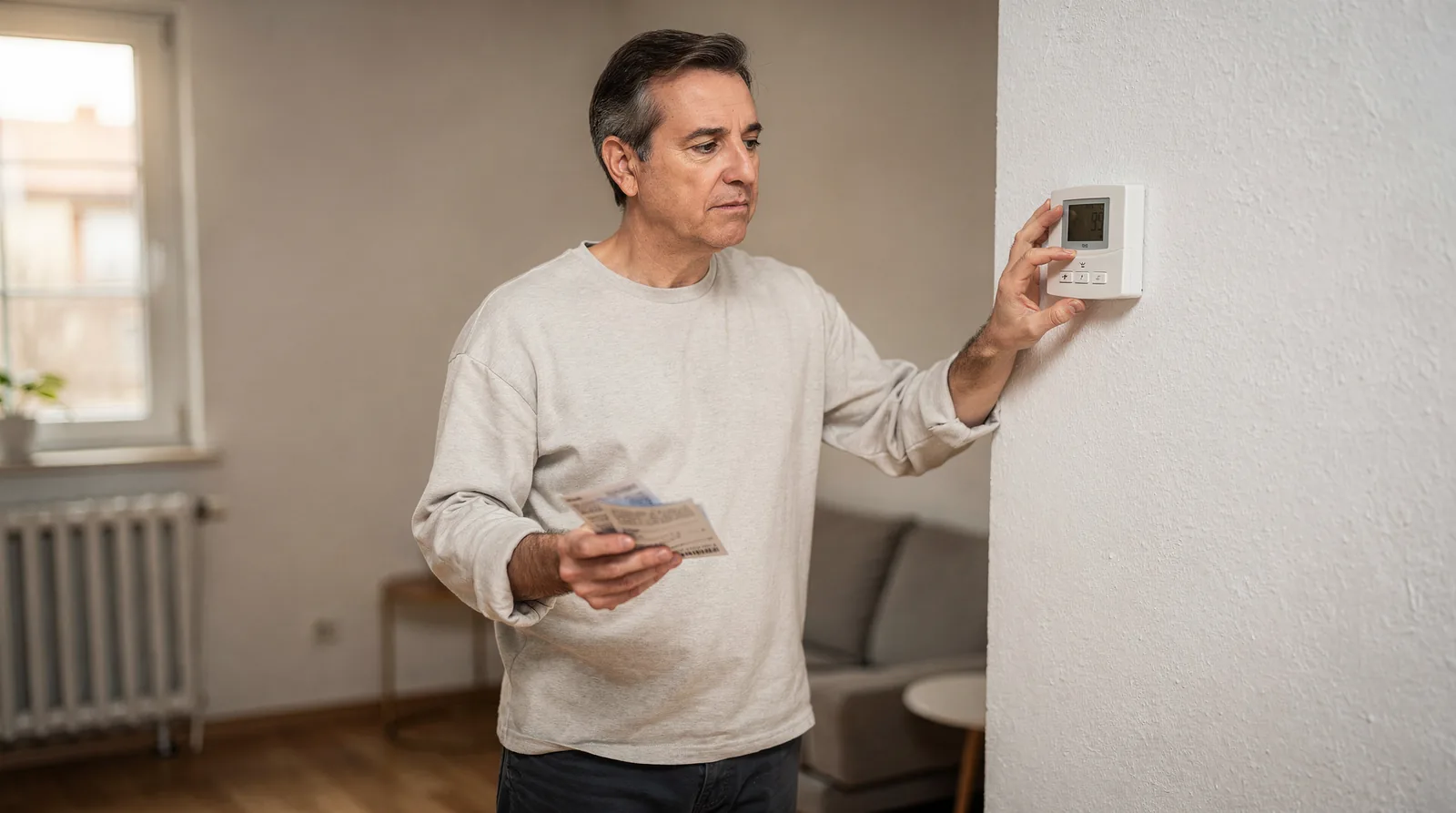
A sudden increase in monthly energy costs, without any change in how often the air conditioner runs, signals the unit is working harder than it should. This hidden strain forces the system to consume more electricity just to maintain the same indoor temperature. For homeowners in Tippecanoe County, an unexplained spike in utility bills often points to an AC efficiency problem long before a complete breakdown occurs.
Why Do Energy Bills Climb When the AC Struggles?
An air conditioner that operates inefficiently draws extra power to compensate for internal issues. Dirty coils, low refrigerant levels, or a failing compressor all force the system to run longer cycles. Ignoring these early AC issues leads directly to higher electricity bills, poor cooling performance, and damaged components. Over time, reduced indoor comfort and even complete system failure during peak summer months become real risks.
What Steps Can Homeowners Take to Stop Energy Waste?
Powell Heating & Cooling recommends a straightforward approach to catch rising costs early:
Compare this month’s bill to the same month last year, adjusting for any rate changes from the utility provider.
Check the air filter monthly during summer — a clogged filter increases energy consumption by restricting airflow.
Schedule a professional inspection when bills climb more than a notable share without a clear reason like hotter weather or added usage.
Powell Heating & Cooling offers maintenance plans designed for year-round efficiency. These plans help prevent the energy waste that drives up monthly costs. A trained technician can identify the specific component causing the strain. Restore the system to proper operation before the next bill arrives.
Is Your AC Making Strange Noises or Smells?
Strange sounds or odors coming from an air conditioning unit signal internal problems that require professional attention. These warning signs rarely resolve on their own and often indicate mechanical wear, electrical issues, or biological growth inside the system. Ignoring them allows minor malfunctions to escalate into major failures.
What Do Different AC Noises Mean?
A properly functioning air conditioner operates with a consistent, low hum. Any deviation from that baseline sound points to trouble. Common noise types include:
Banging or clanking — A loose or broken internal component, such as a connecting rod or piston pin
Squealing or screeching — A failing blower motor bearing or a worn-out belt
Clicking that continues — An electrical relay or capacitor issue that may prevent the unit from starting
Hissing — A refrigerant leak, which reduces cooling capacity and damages the compressor
Small AC problems quickly turn into expensive repairs when left untreated. A loose part that goes unaddressed can damage surrounding components, turning a minor fix into a full system overhaul.
What Causes Unusual Smells From the Vents?
Odors from the air registers provide another clear indicator of trouble. A musty, moldy smell suggests moisture buildup in the ductwork or evaporator coil, creating a breeding ground for mold and bacteria. A burning odor points to an overheating motor or electrical wiring that needs immediate shutdown and inspection. A rotten-egg or sulfur smell signals a gas leak if the home uses natural gas for heating, requiring urgent evacuation and professional service.
Powell Heating & Cooling provides 24/7 emergency services for urgent AC issues. Homeowners in Tippecanoe County who notice persistent noises or smells should schedule an inspection promptly to prevent system damage and protect indoor air quality.
How Can You Troubleshoot AC Issues Before Calling?
Many air conditioning problems have simple solutions that homeowners can try before calling a professional. Basic troubleshooting saves time and money while often restoring normal cooling operation. The evaluation guide from Powell Heating & Cooling shows that several common AC issues respond well to do-it-yourself checks before contacting an HVAC technician.
What Is the First Thing to Check When an AC Malfunctions?
The air filter should be the first component inspected when cooling problems arise. A dirty or clogged filter restricts airflow, forcing the system to work harder and reducing cooling output. Replacing a dirty air filter is a simple fix that often restores proper airflow and efficiency. Homeowners should check this component before scheduling any service appointment.
Step-by-step troubleshooting checklist:
Inspect the thermostat settings — confirm the system is set to “cool” and the temperature is lower than the current room temperature. Replace thermostat batteries if the display is blank or unresponsive.
Check the air filter — remove the filter and hold it up to light. If light cannot pass through, replace it with a clean filter of the correct size and MERV rating.
Examine the outdoor unit — ensure nothing blocks the condenser unit (leaves, debris, overgrown plants). Maintain at least two feet of clearance around the unit for proper airflow.
Verify circuit breakers — check the breaker for the AC unit in the main electrical panel. Reset it if tripped, but contact a professional if the breaker trips repeatedly.
Inspect condensate drain lines — look for standing water near the indoor air handler. A clogged drain can trigger safety switches that shut down the system.
When Should a Homeowner Stop Troubleshooting and Call a Professional?
If basic checks do not resolve the issue, professional evaluation becomes necessary. Powell Heating & Cooling provides same-day estimates and financing options for repairs that require specialized tools or expertise. Issues like refrigerant leaks, failed compressors, or electrical faults should always be handled by trained technicians rather than attempted as DIY projects. Homeowners who experience repeated breaker tripping, ice formation on refrigerant lines, or unusual burning smells should stop troubleshooting immediately and call for service.
FAQ
What are the most common signs my AC needs repair?
Weak airflow, warm air from vents, strange noises, rising energy bills, frequent cycling, unusual humidity, and lingering odors all signal an inefficient AC system that needs professional attention.
Why does my AC blow warm air instead of cool air?
Warm air points to low refrigerant levels, a failing compressor, incorrect thermostat settings, or restricted airflow from dirty filters or blocked ducts, forcing the system to run longer without cooling properly.
What should I do if I notice these AC warning signs?
Check the air filter, verify thermostat settings, and clear debris from the outdoor unit, then schedule a professional inspection with Powell Heating & Cooling, who offers 24/7 emergency services and same-day estimates.
Conclusion
In closing, recognizing these warning signs early protects your comfort and prevents costly repairs down the road. Powell Heating & Cooling brings over 25 years of trusted expertise to every AC repair, backed by our commitment to prompt service and customer satisfaction. Whether your system needs a quick fix or a complete overhaul, our experienced team delivers reliable solutions tailored to your home’s needs. Don’t let an inefficient air conditioner compromise your comfort—reach out to Greater Lafayette’s HVAC professionals today.